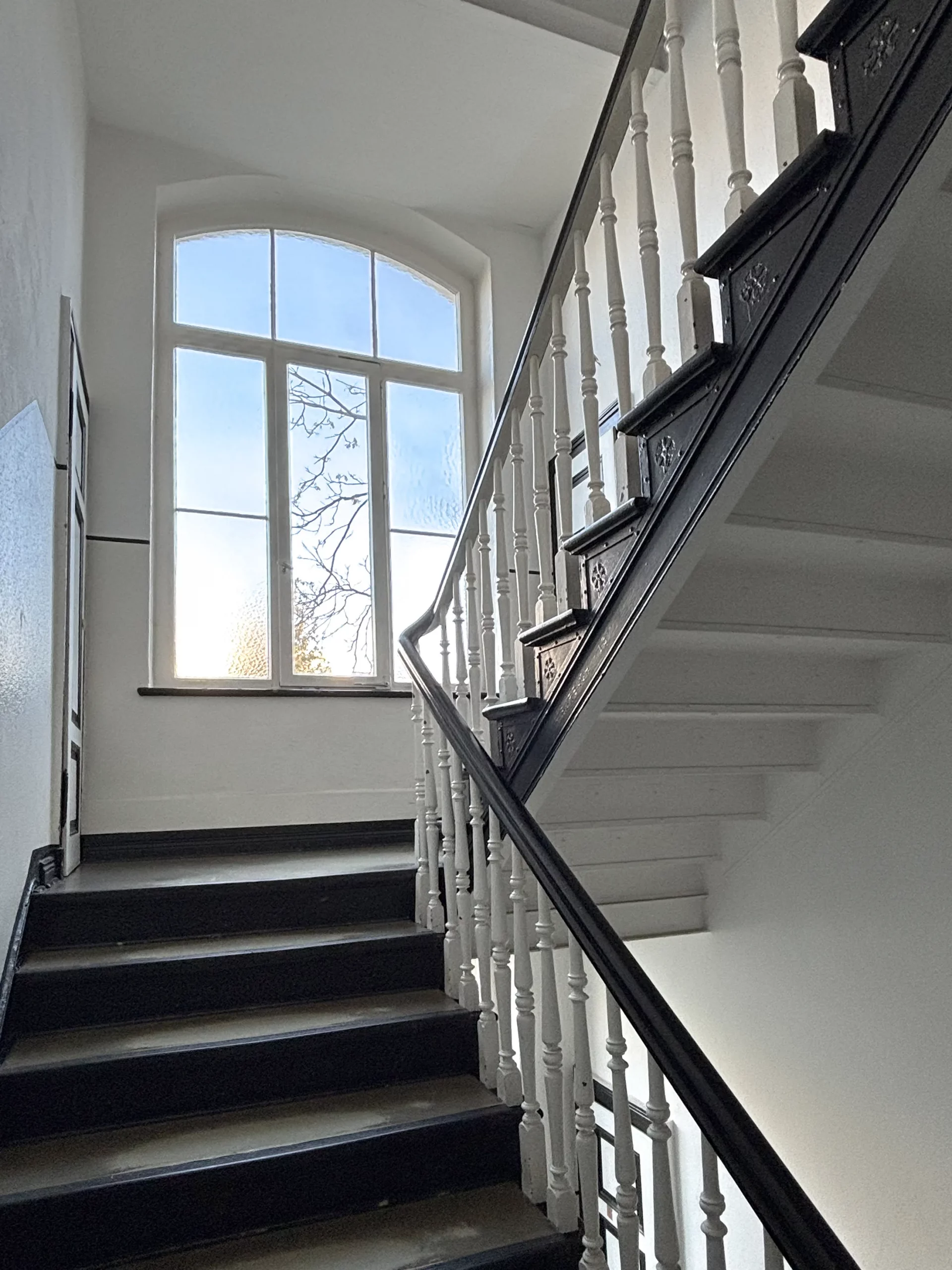
Located on Weissekreuzplatz in Hannover, this project transforms a protected late 19th-century residential building into a contemporary urban home. The aim is to reveal the architectural qualities of the historic structure, overcome the functional shortcomings introduced through decades of alterations, and contribute to the sustainable development of inner-city housing.
Over time, numerous renovations had obscured the building’s original spatial qualities. Fragmented floor plans, limited daylight, and outdated circulation no longer met the expectations of contemporary living. Rather than treating these conditions as constraints, the project uses them as an opportunity to rethink and reorganize the building from within.
More space, better living
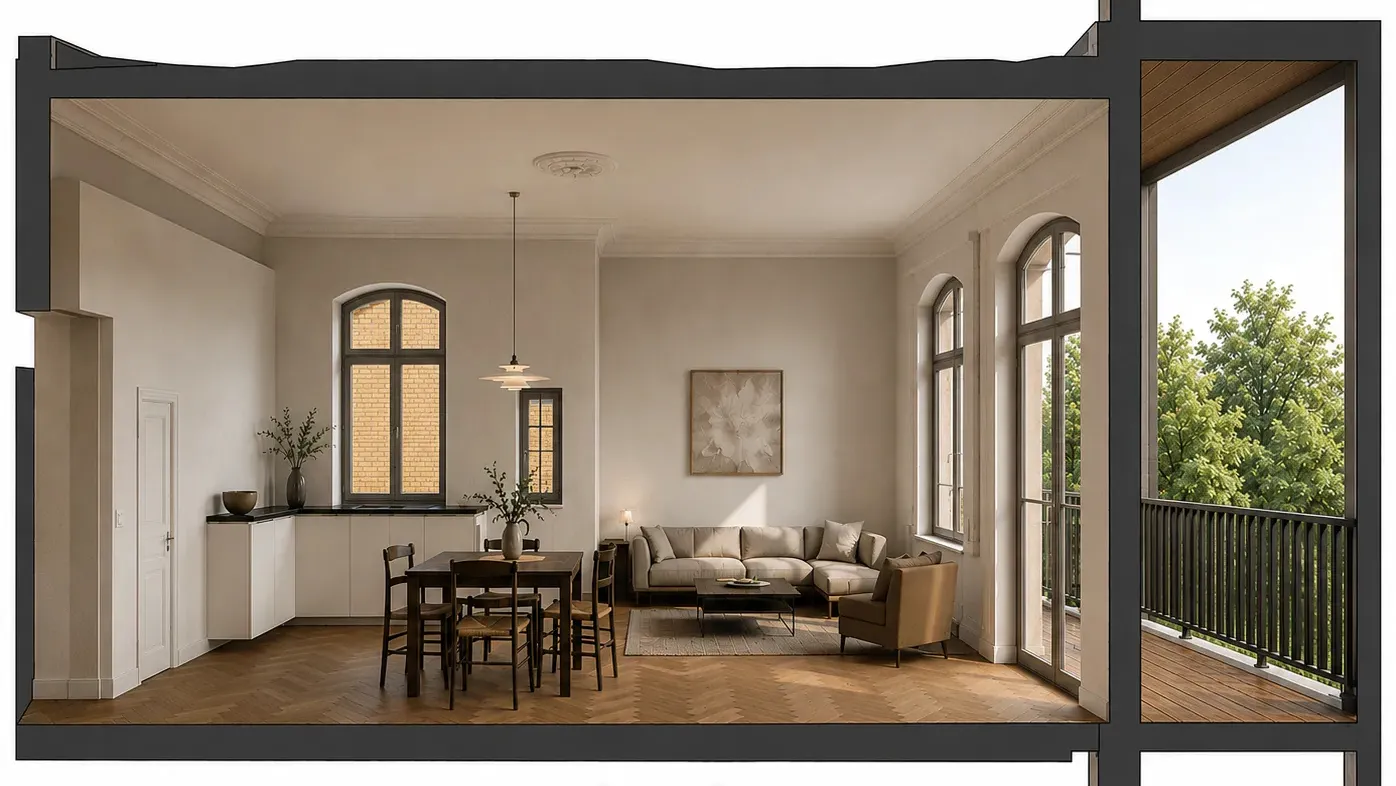
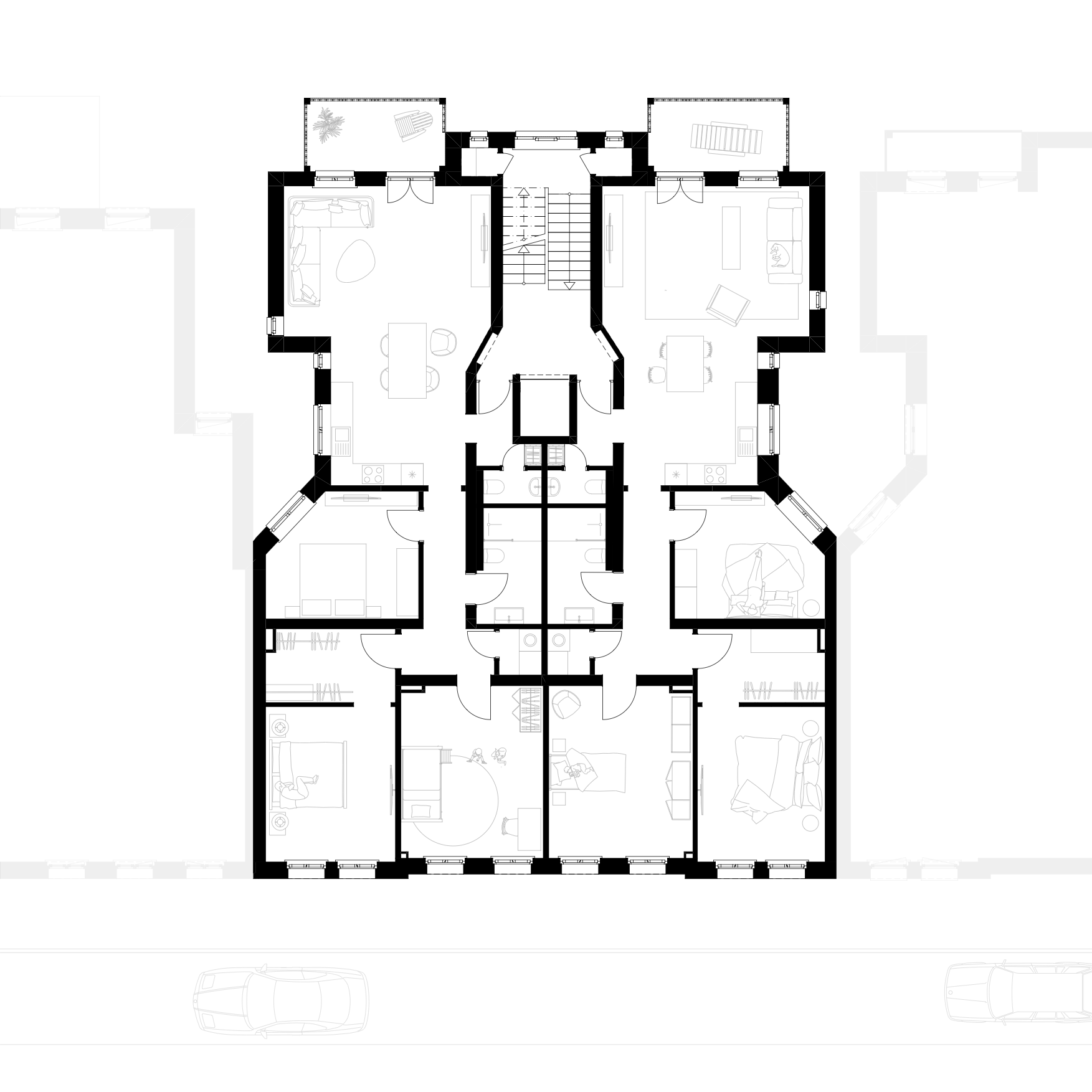
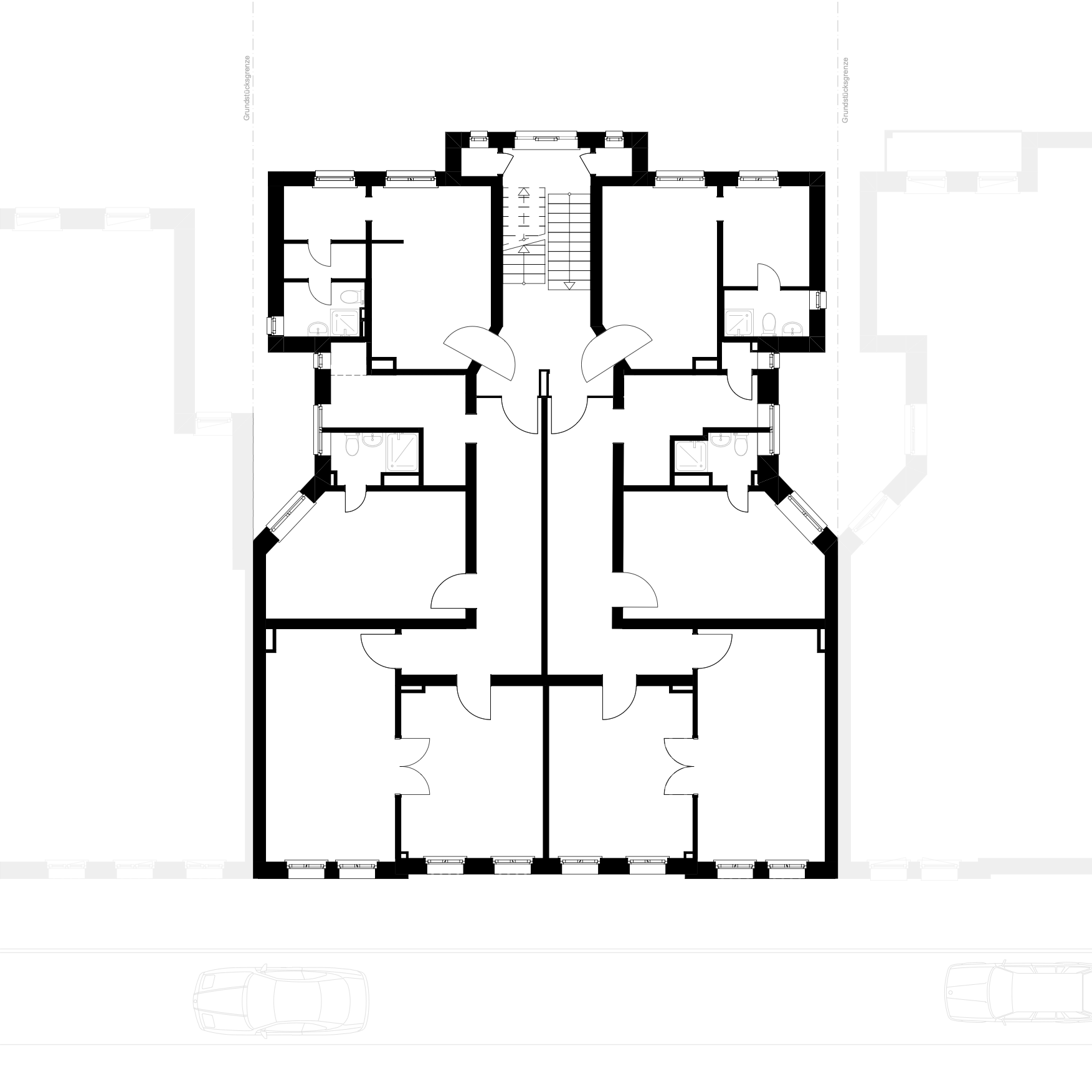
The floor plans have been reconfigured from four apartments per floor into two generous residences. The number of units has been deliberately reduced to create spacious homes designed for long-term living.
Small, fragmented layouts give way to apartments with clear spatial organization, generous living areas, and naturally lit interiors. Contemporary floor plans provide homes that meet the needs of both present and future generations.
Building upon the existing
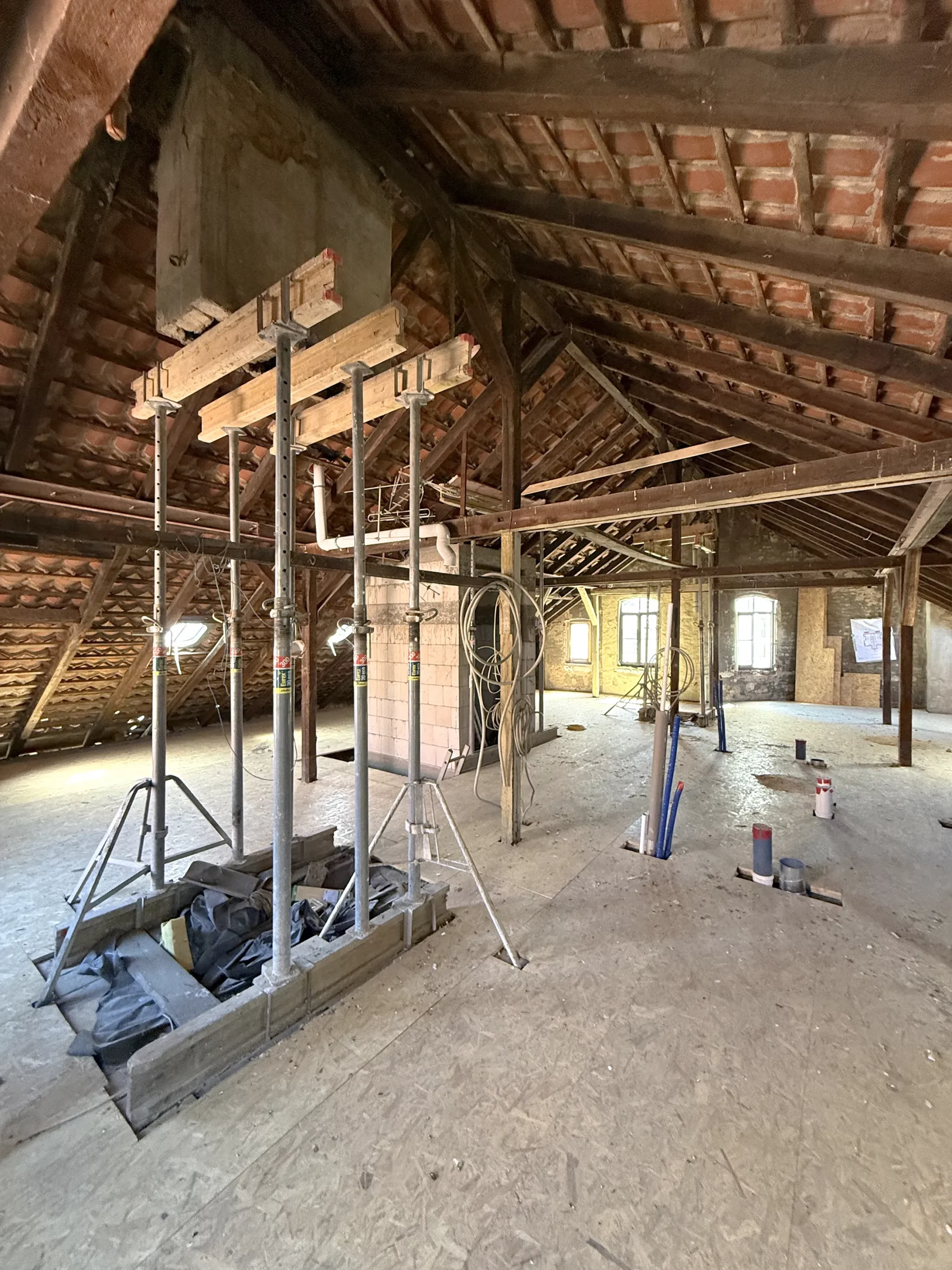
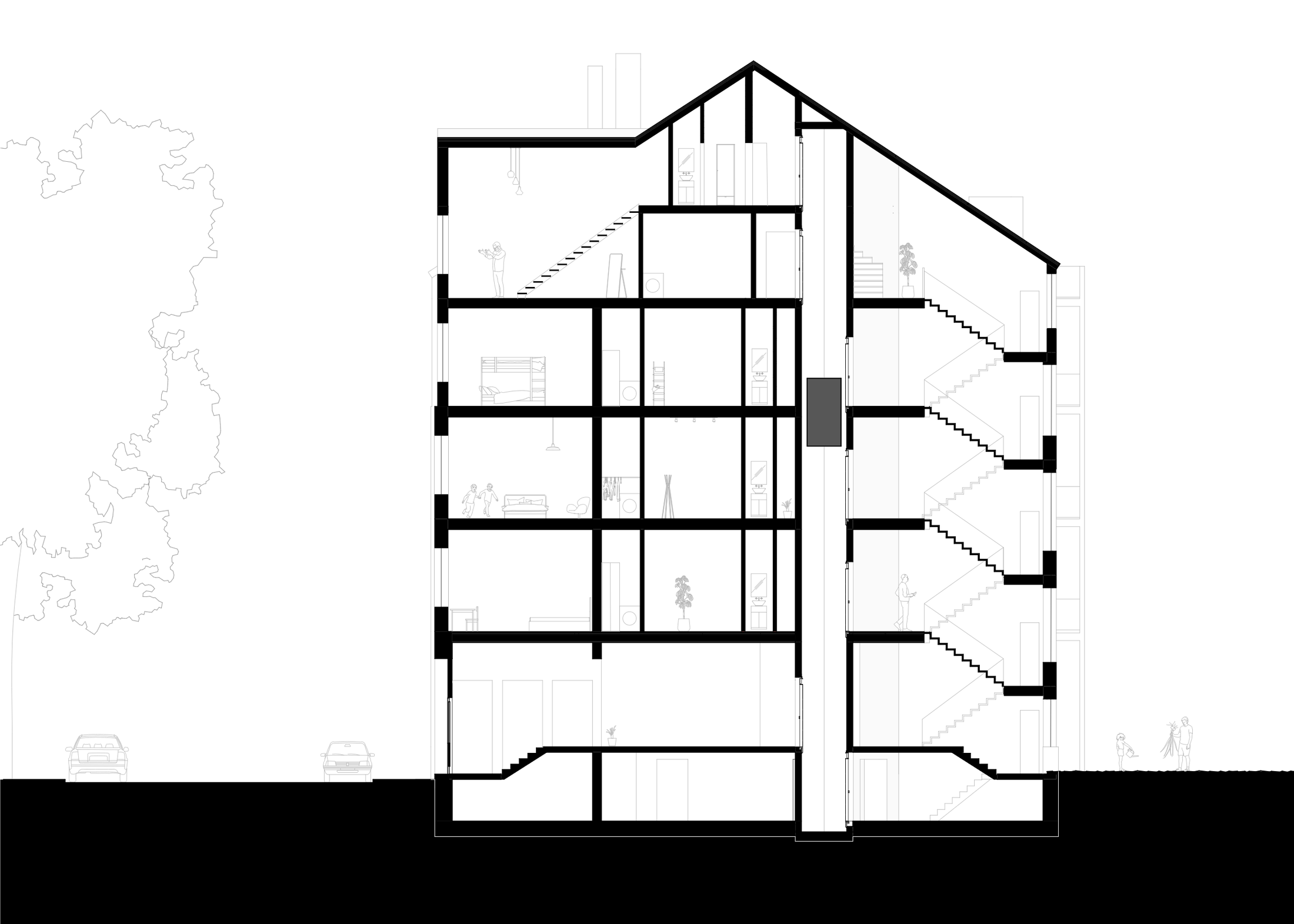
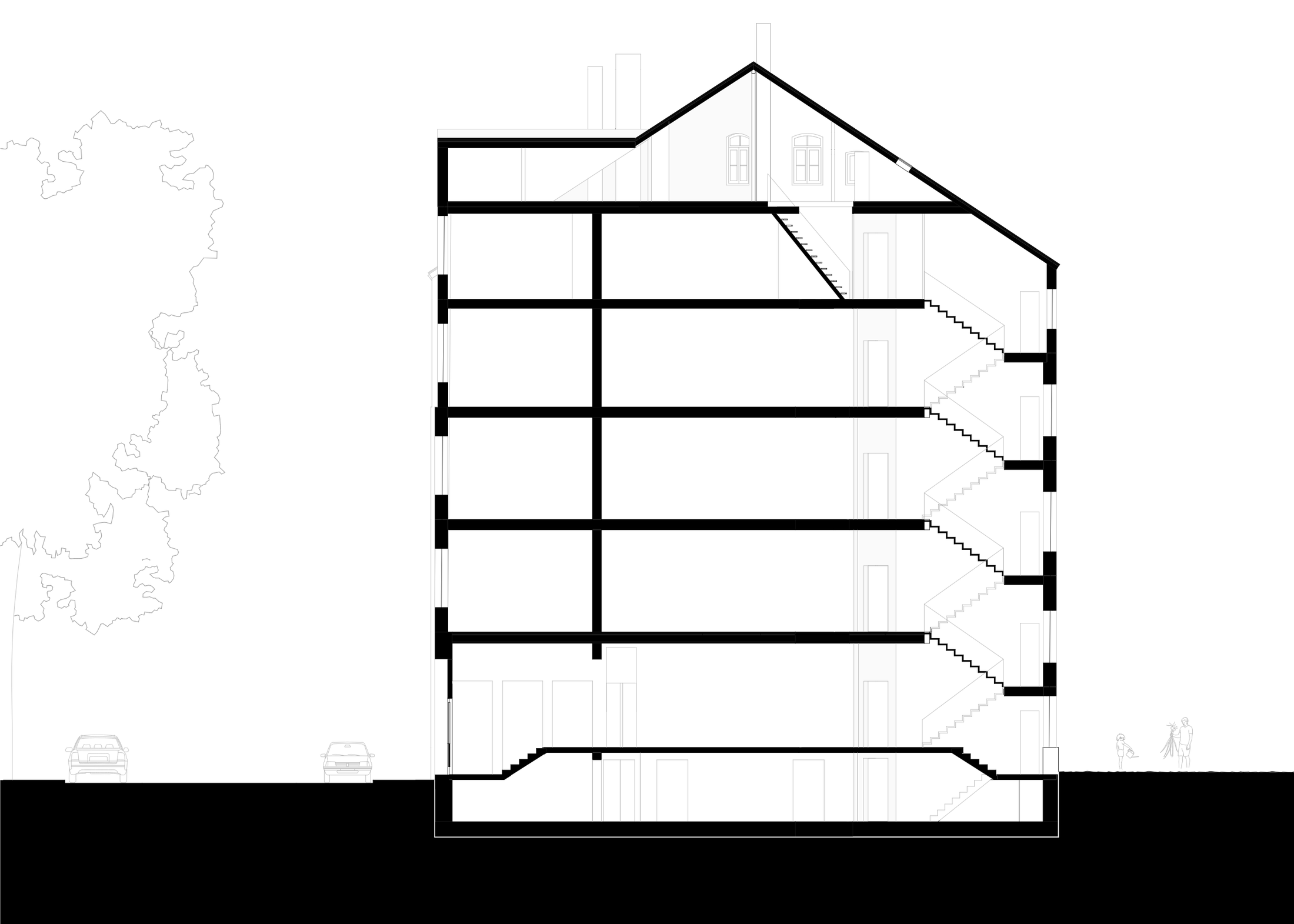
Reducing the number of apartments does not mean reducing the value of the building. Instead, it creates the opportunity to significantly improve the quality of the existing homes. At the same time, the conversion of the attic creates two additional duplex apartments.
This careful approach to densification adds new housing within the existing building envelope, making efficient use of urban resources without consuming additional land.
Rethinking circulation
A centrally positioned lift provides step-free access to every floor, making the building accessible to a wider range of residents and adaptable to changing needs over time. The circulation is completely reorganized to meet contemporary standards for safety, fire protection, and residential comfort.
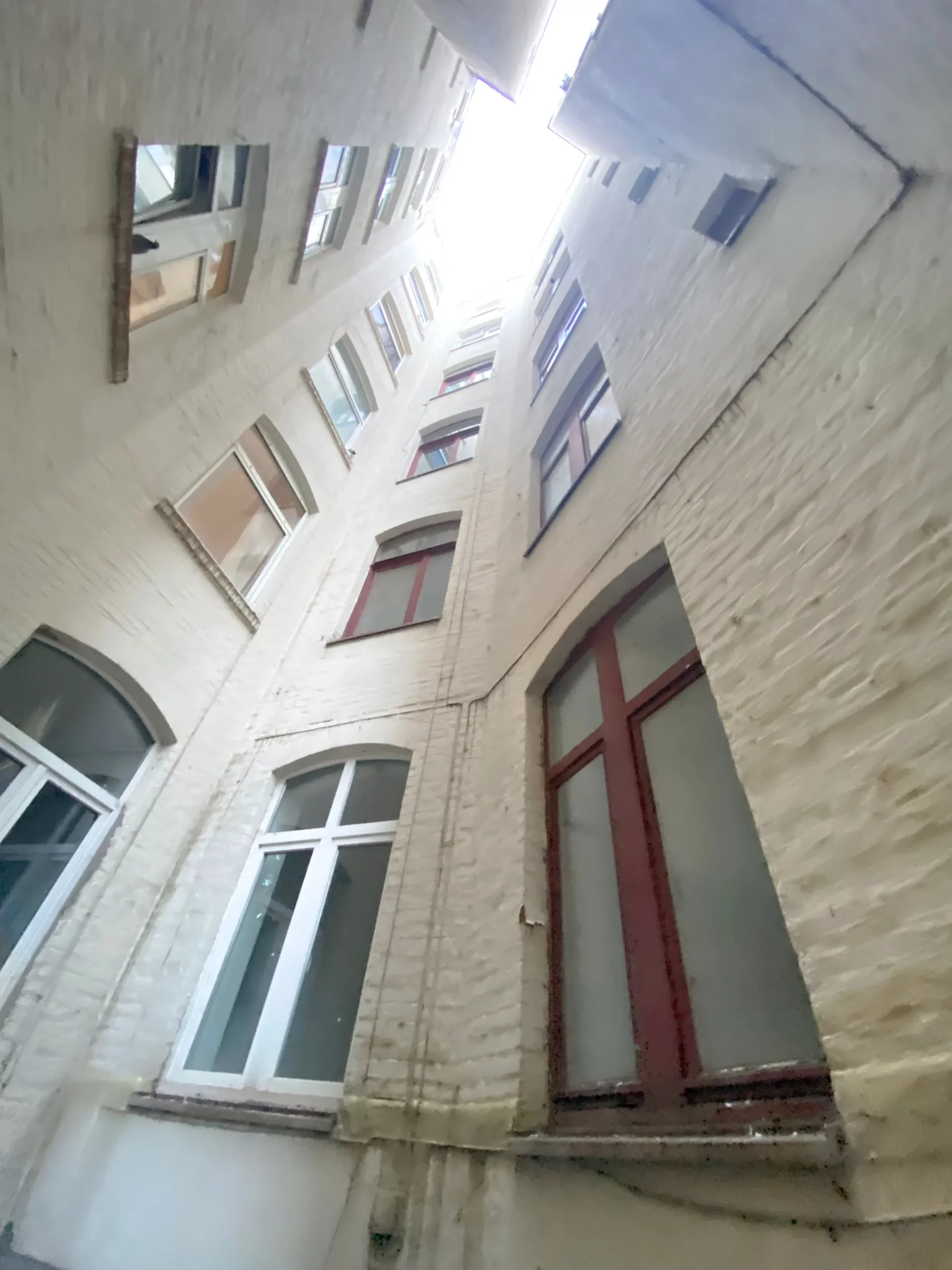
New balconies create valuable outdoor living spaces while strengthening the connection between the apartments and the green courtyard.
Preserving historic character
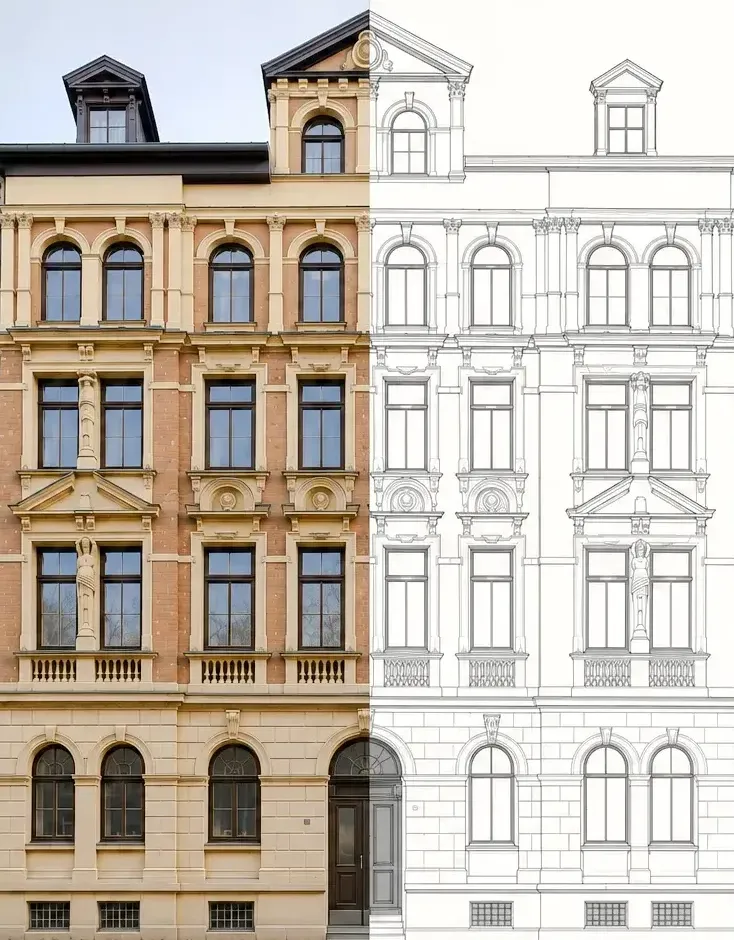
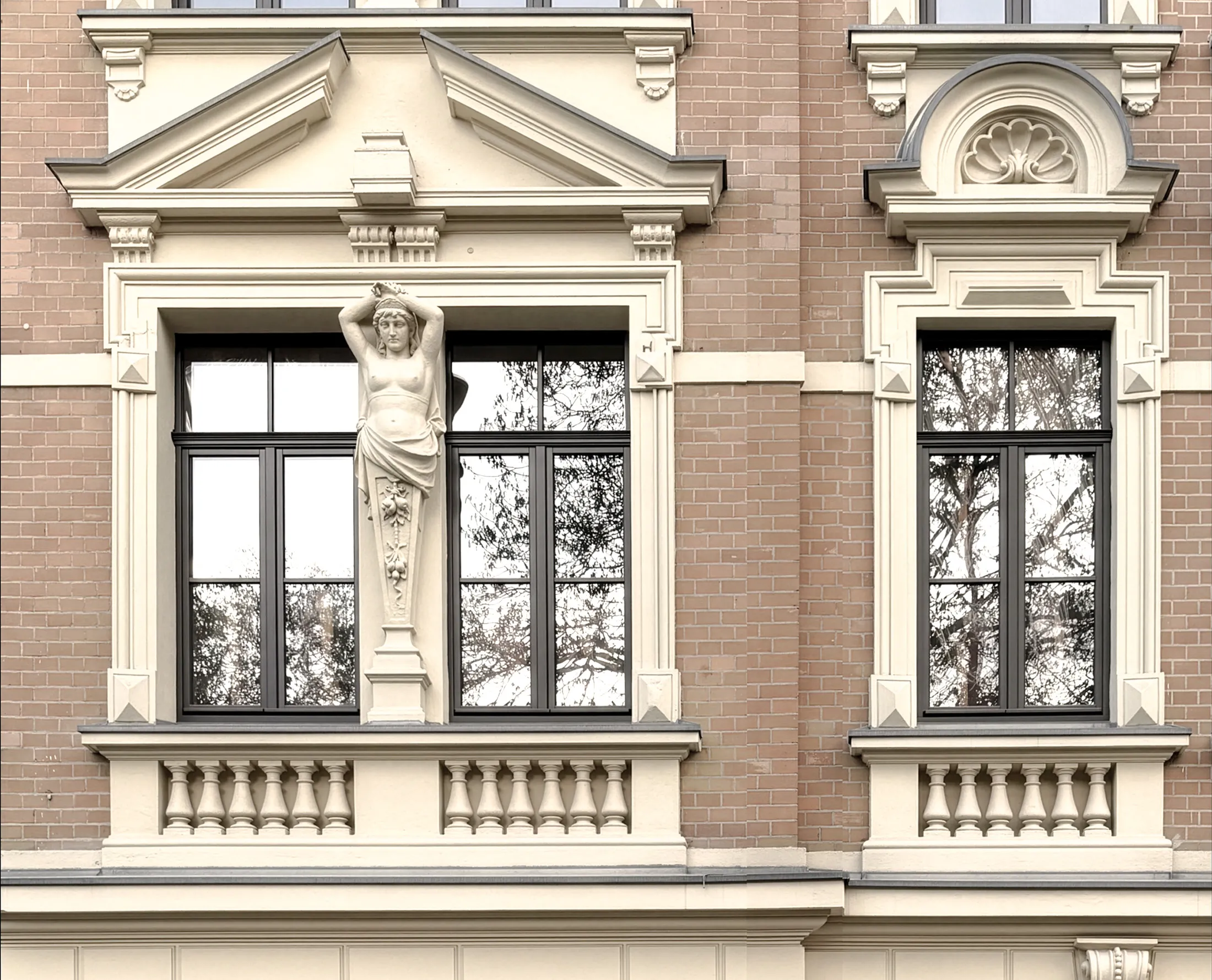
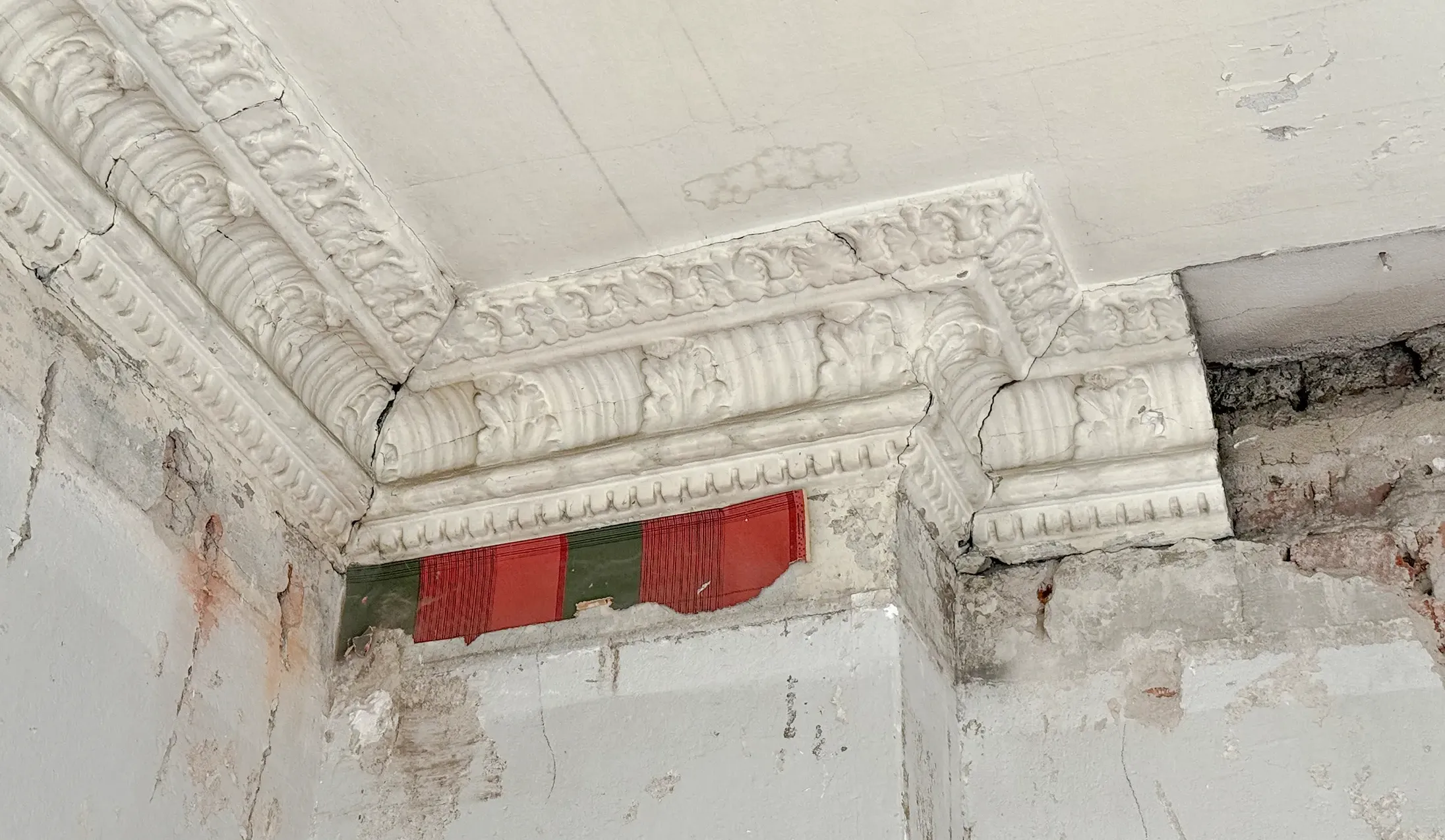
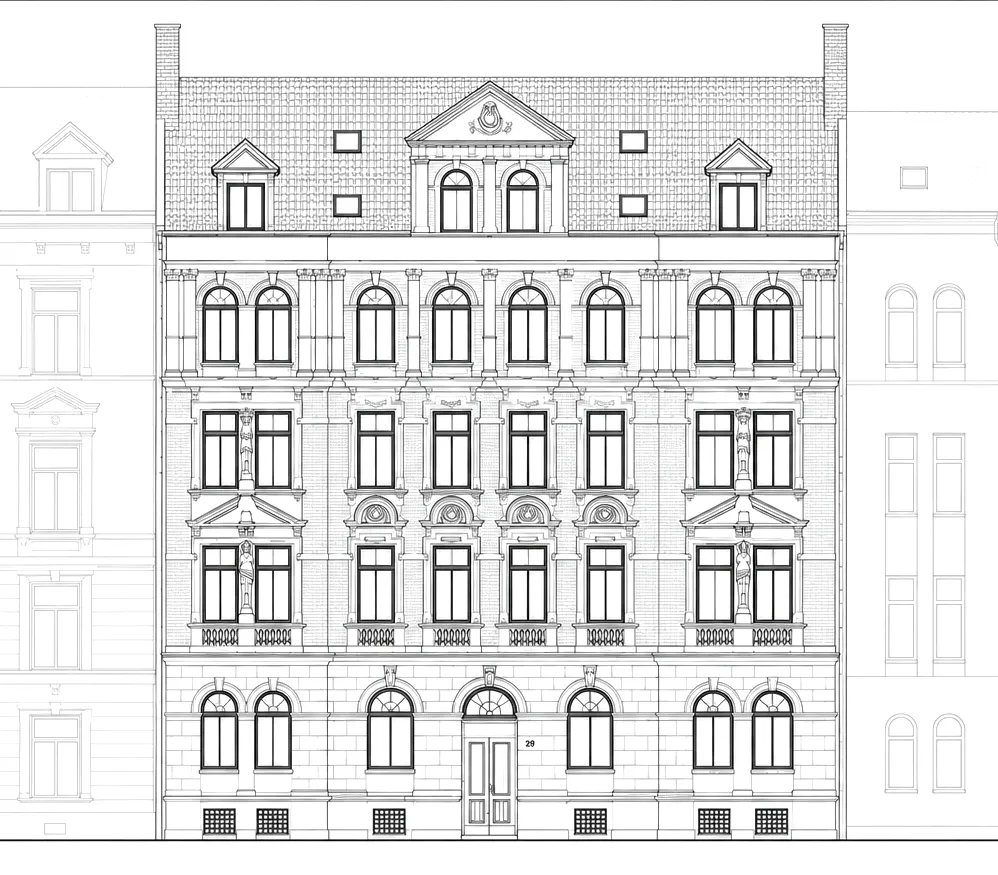
Preserving the building’s historic fabric is central to the design. The protected facades and roofscape are carefully restored and sensitively adapted in close collaboration with the heritage authorities.
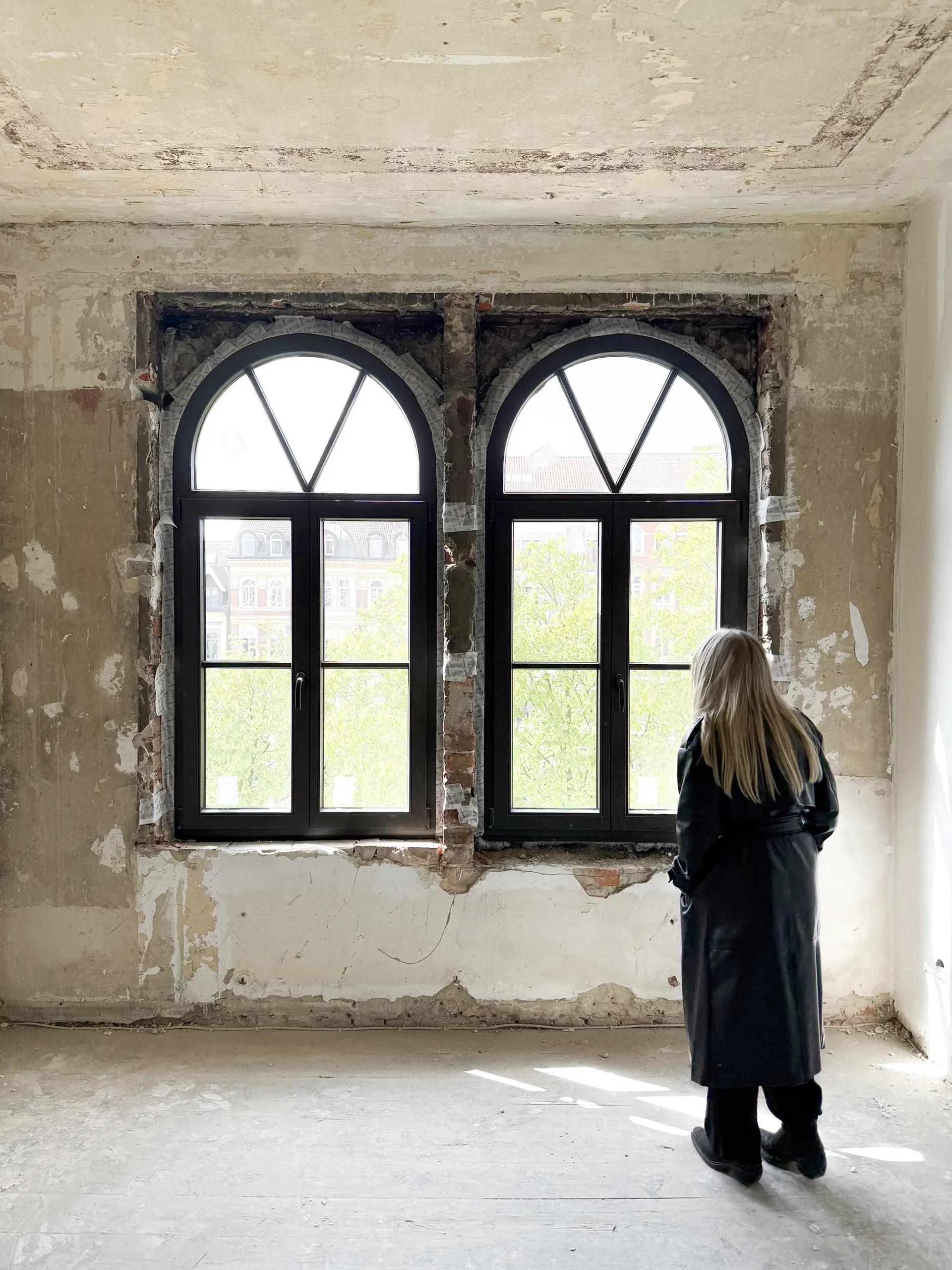
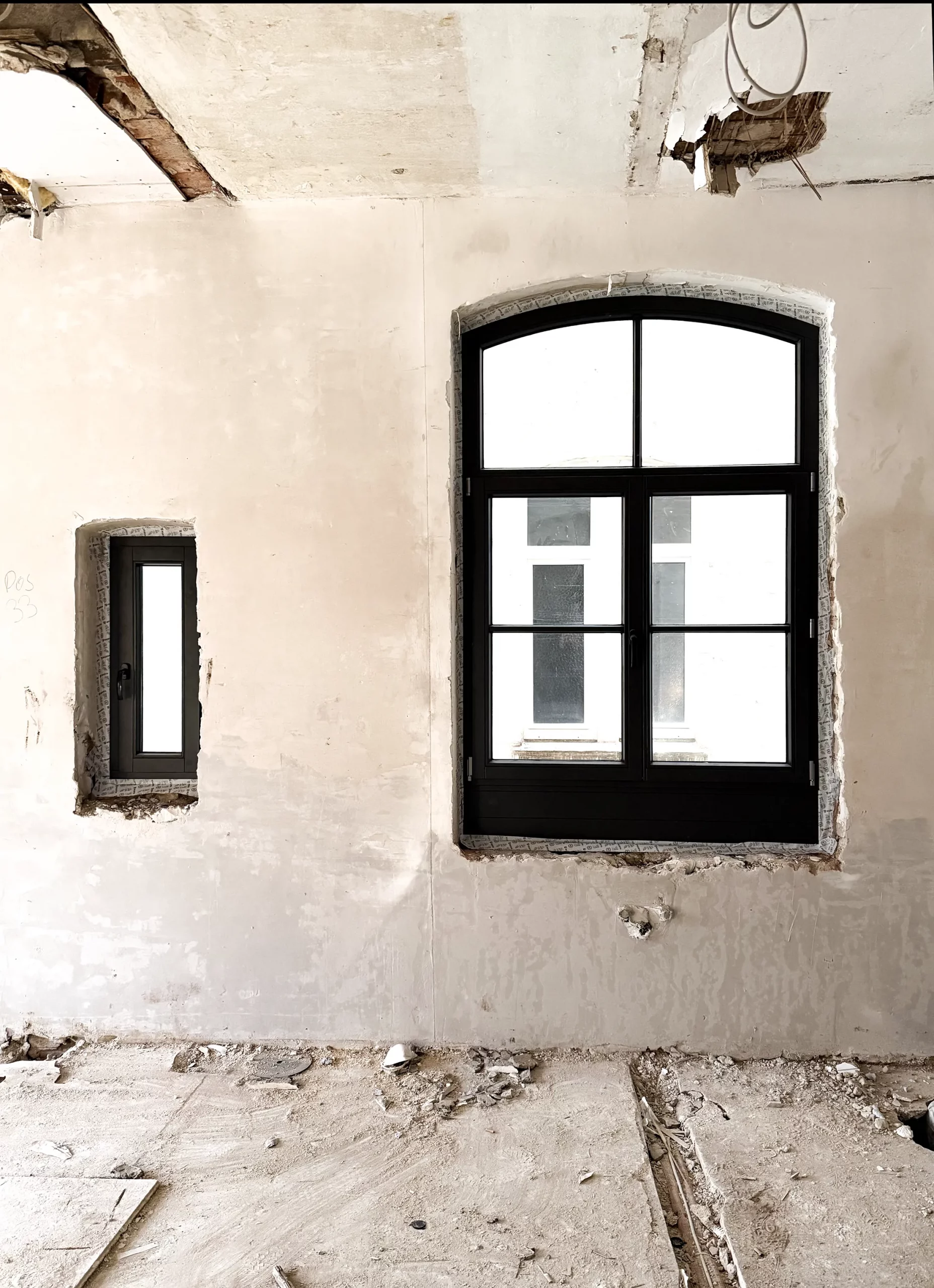
Over the years, the original windows had been replaced with simplified versions that diminished the character and architectural expression of the building. New timber windows, carefully based on the historic originals, restore an important part of its identity. Together with the restoration of the facades, they allow the qualities of the late 19th-century architecture to become visible once again.
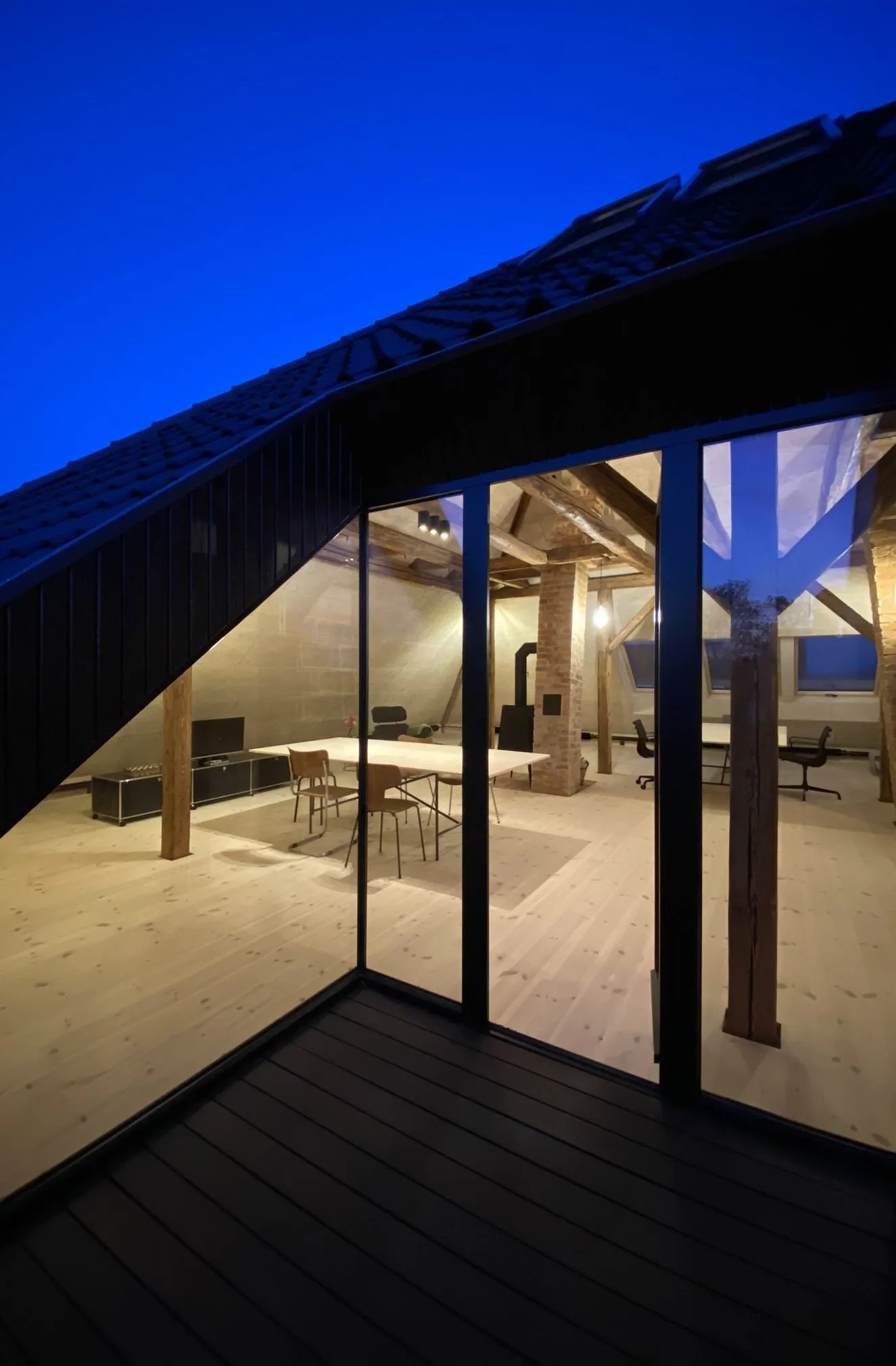
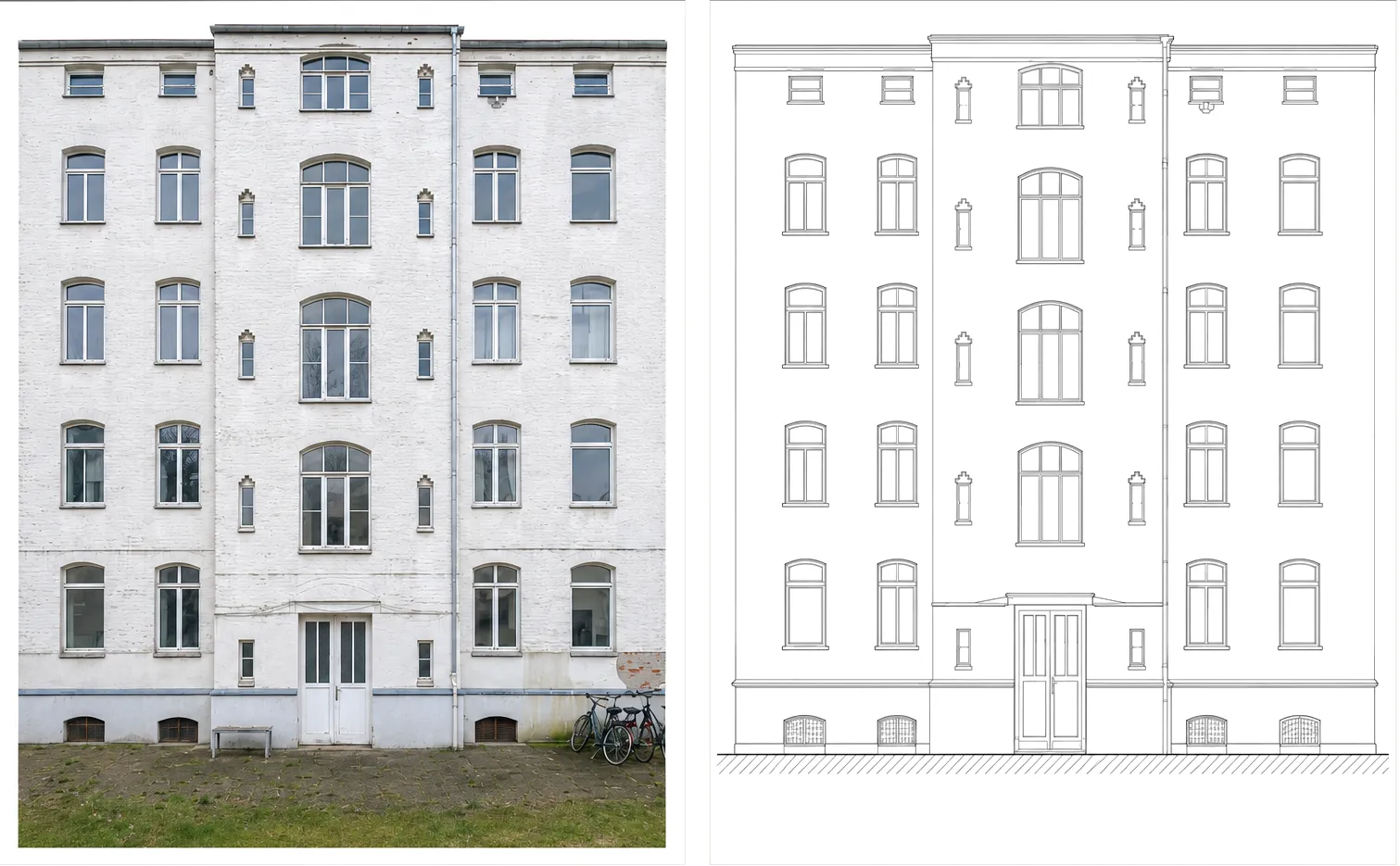
The conservation strategy extends beyond the street-facing elevations and embraces the building as a whole. The courtyard facade retains its original material character, with the limewashed brickwork intentionally left exposed rather than covered with external insulation. New balconies and dormers are introduced only where needed to create additional living space within the roof while respecting the character of the existing building.
A future rooted in the past
By combining heritage-sensitive restoration with contemporary living standards, step-free access, and careful urban densification, the project gives new life to a historic building while preserving its identity. It demonstrates how existing buildings can continue to evolve—respecting their past while responding to the needs of modern city life.
- June 11, 2026

Location
Hannover | NS | DE
Object Category
Renovation & Conversion
Status
Ongoing
Client
BSA Construct
Credits
Guido Becker
Emanuel Hoffmann