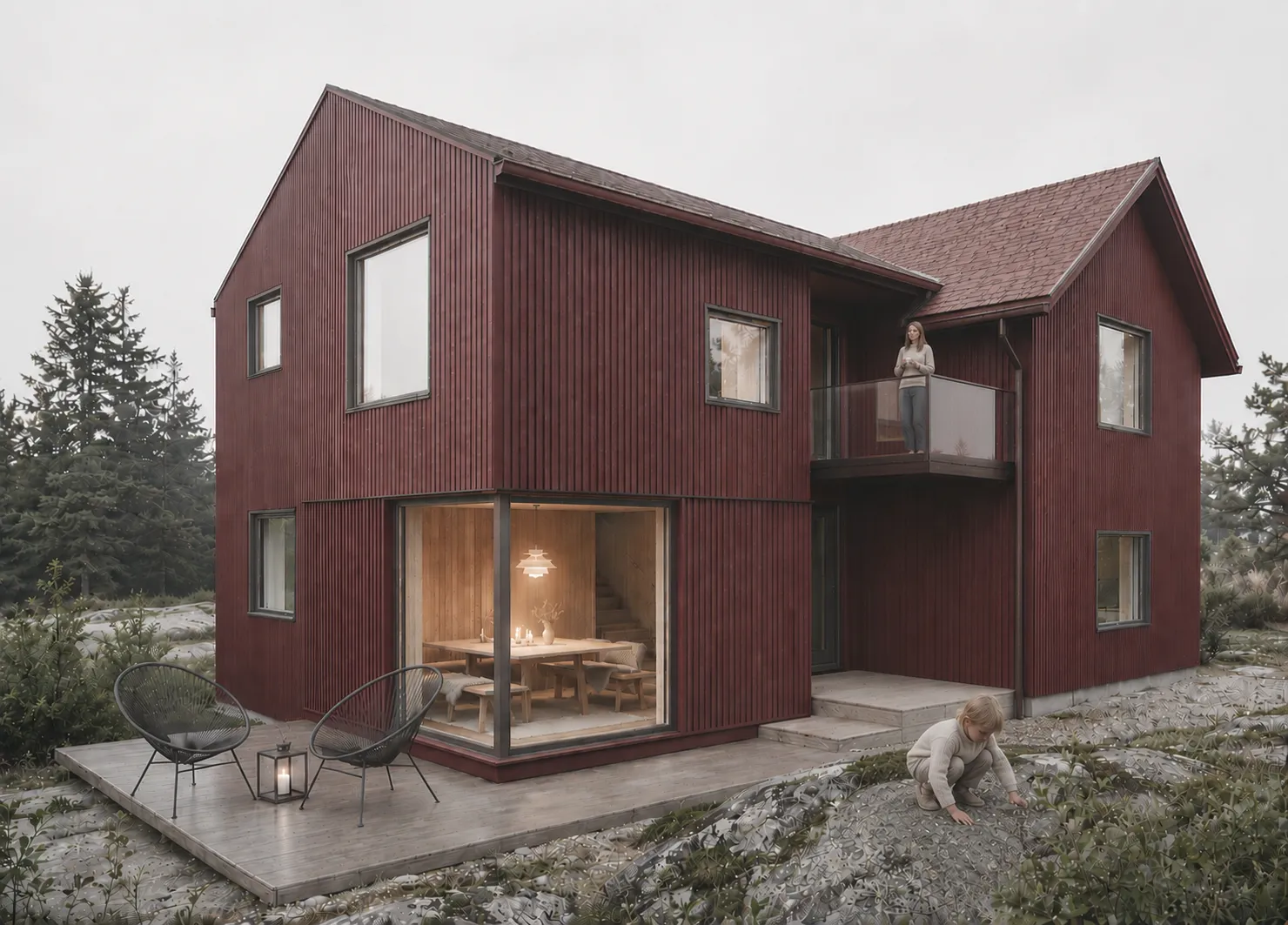
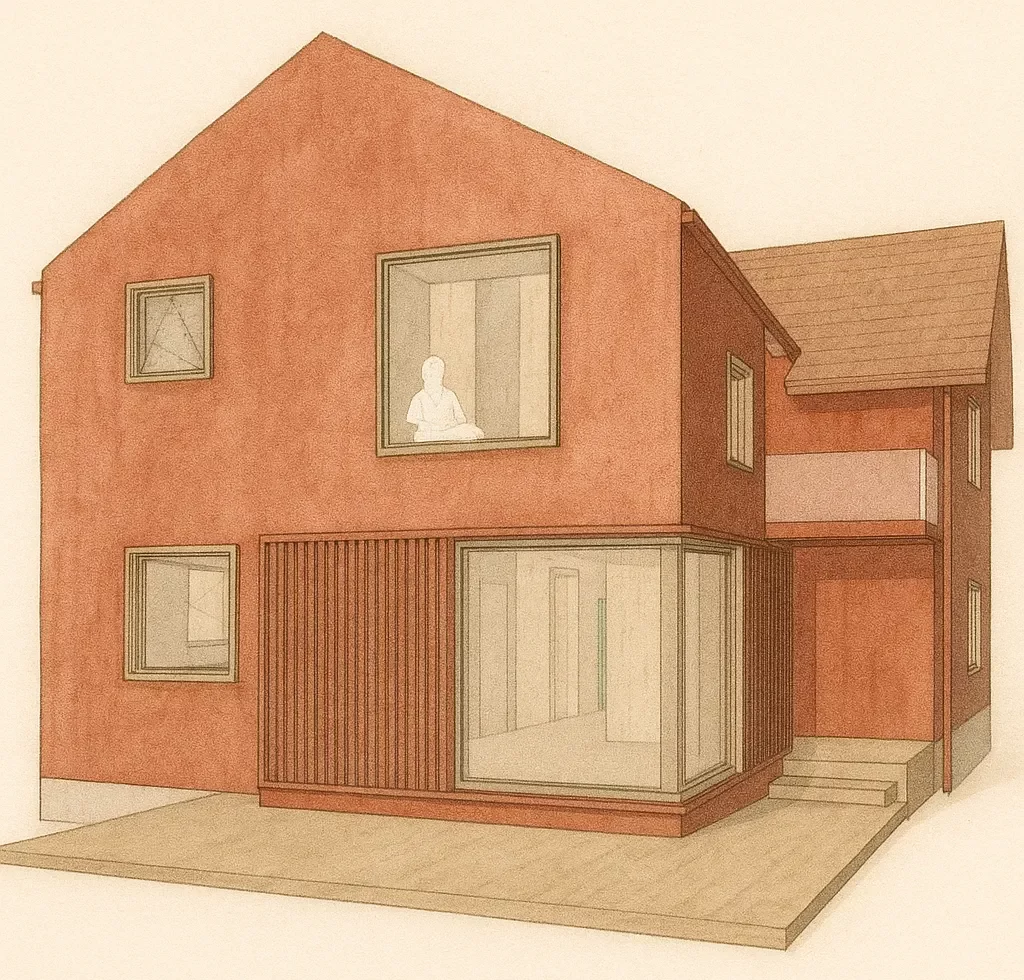
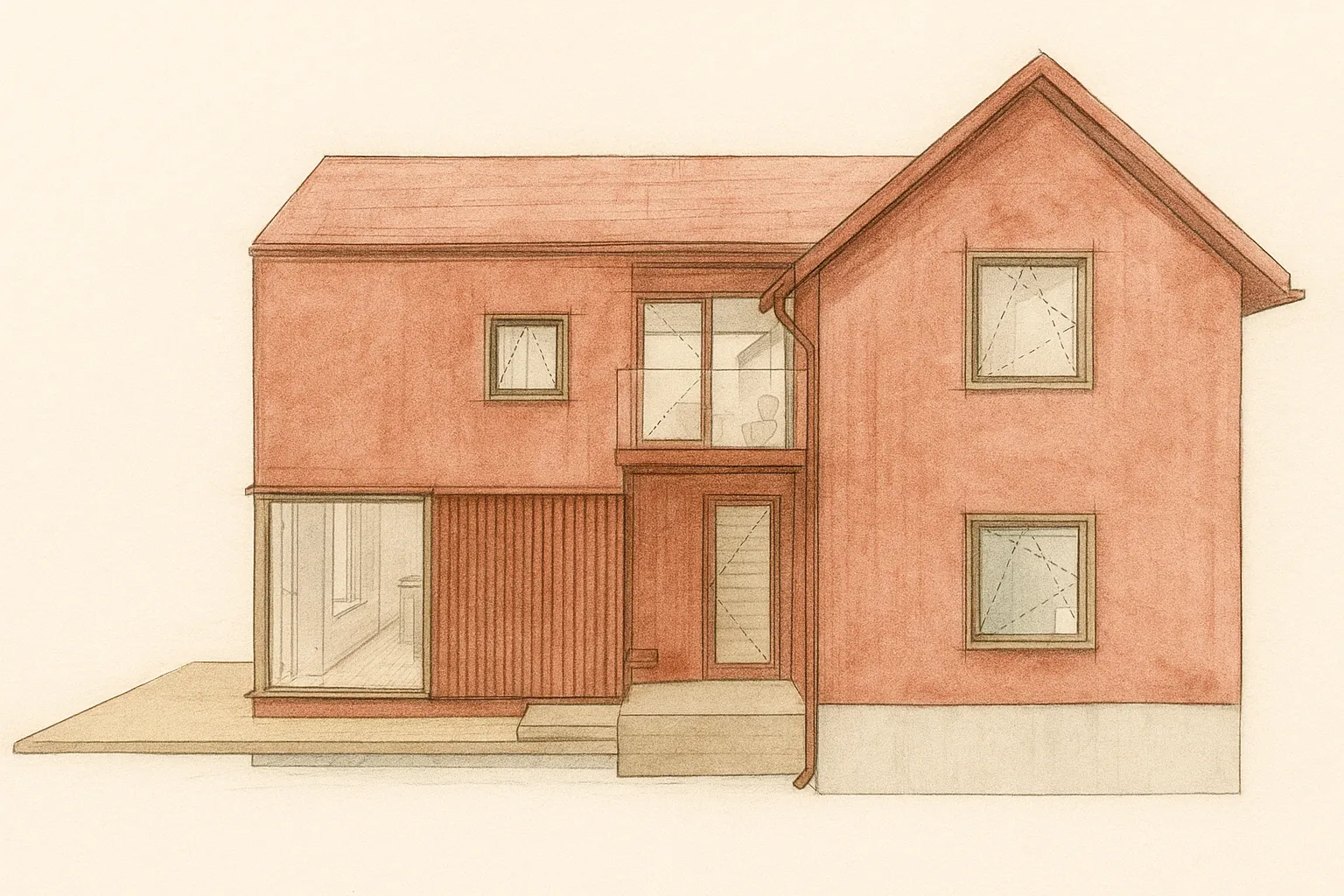
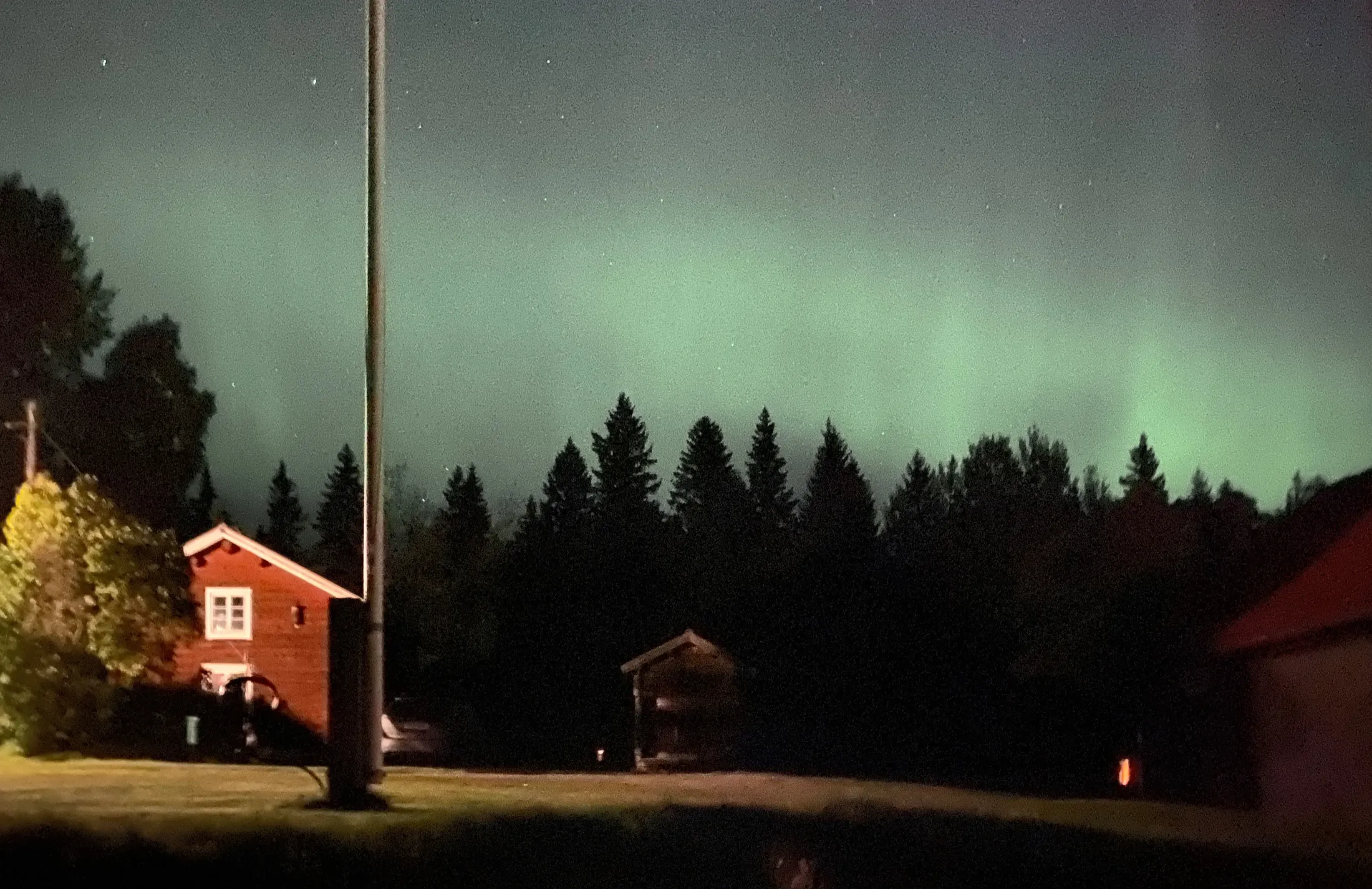
Set among the forests, lakes, and rolling hills of Dalarna, this project transforms an existing timber house through a careful renovation and contemporary extension. Rooted in the simplicity of traditional Swedish rural architecture, where red timber facades and modest volumes shape the landscape, the project builds upon the everyday qualities of the original house and reinterprets them for contemporary living with a strong connection to place.
Revealing the existing
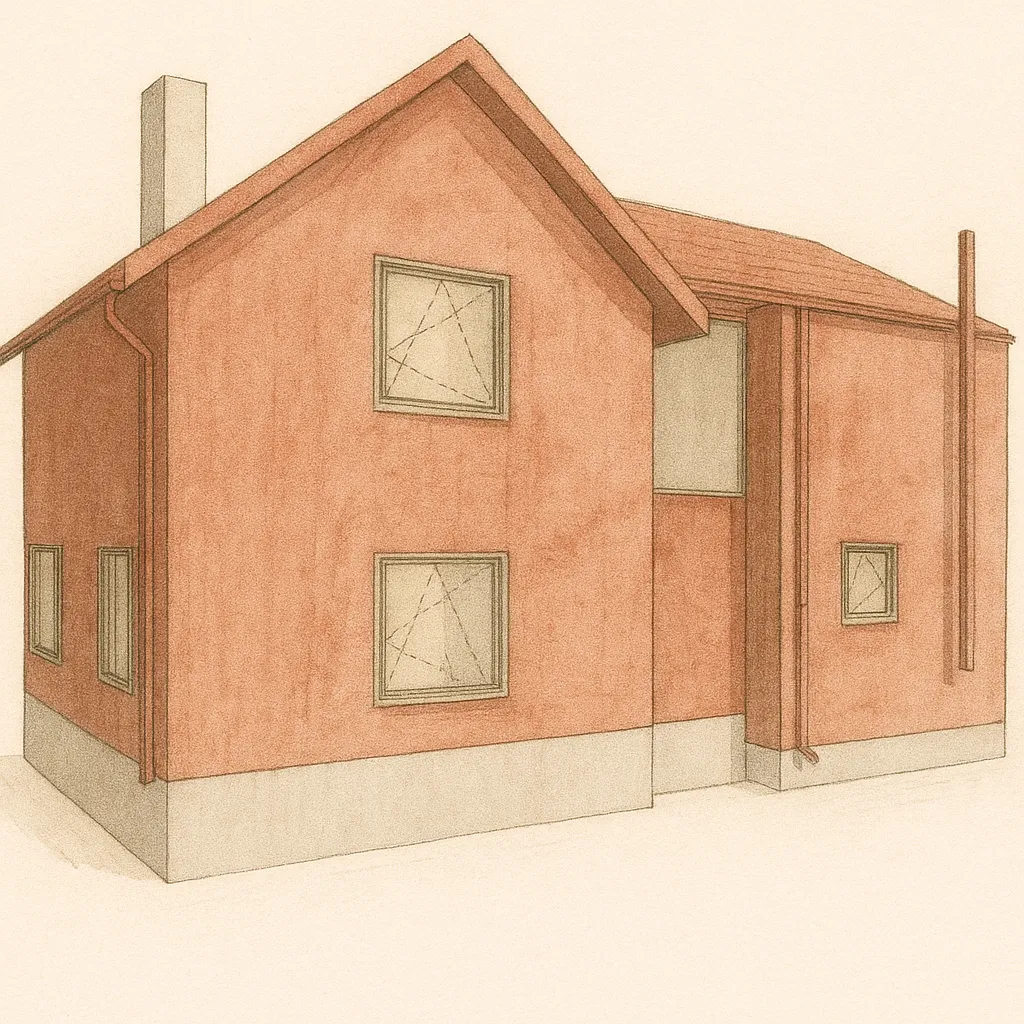
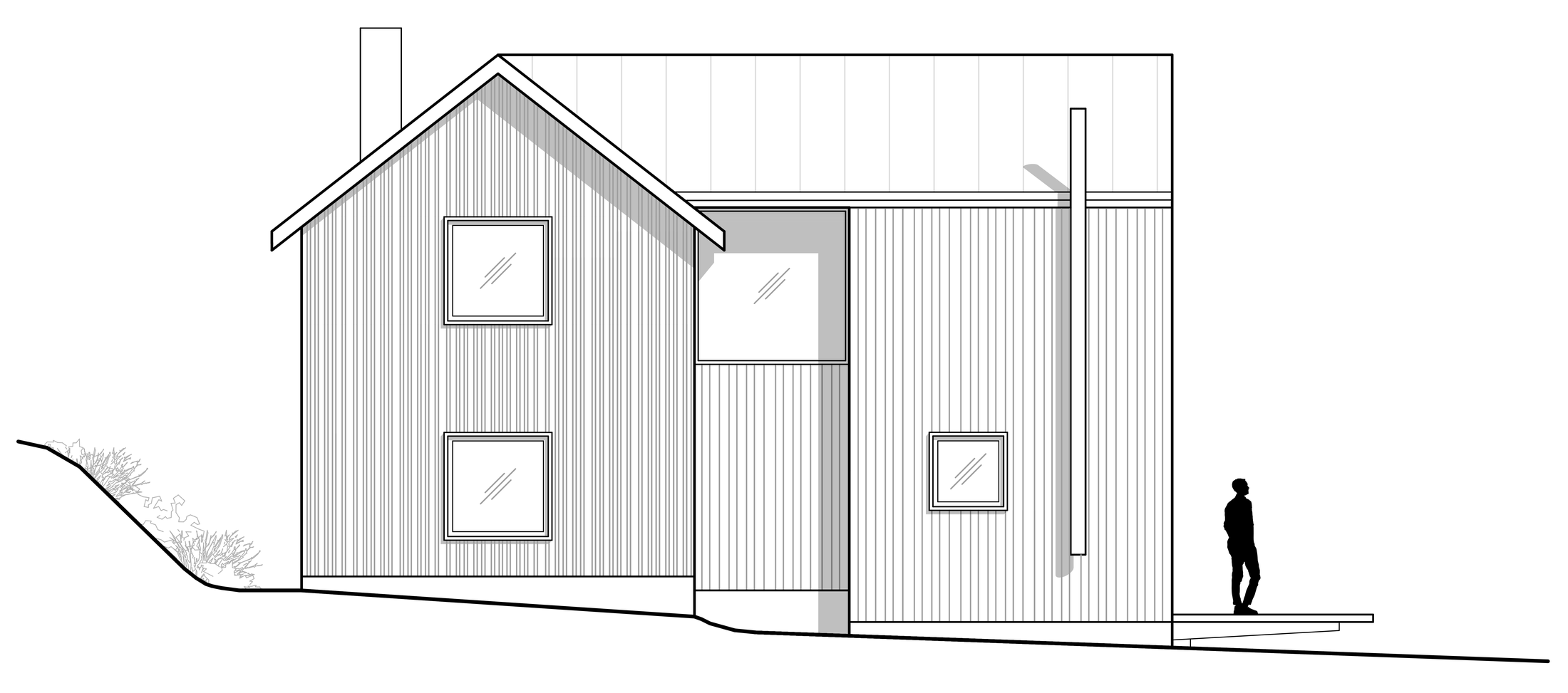
The original house sits elevated within the landscape, opening toward expansive views from the upper floor. Over time, the building had undergone several alterations, including later additions and a fibre cement facade that concealed much of its original character. Rather than reconstructing a historic image, the project focuses on revealing the qualities already present and giving the house a clearer and more cohesive architectural identity.
Old and new in dialogue
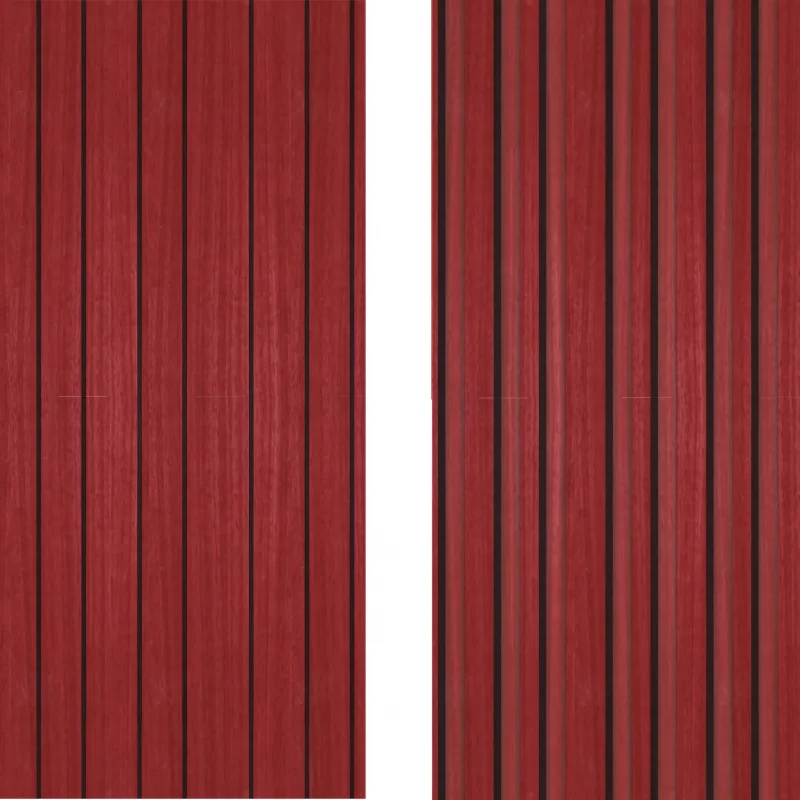
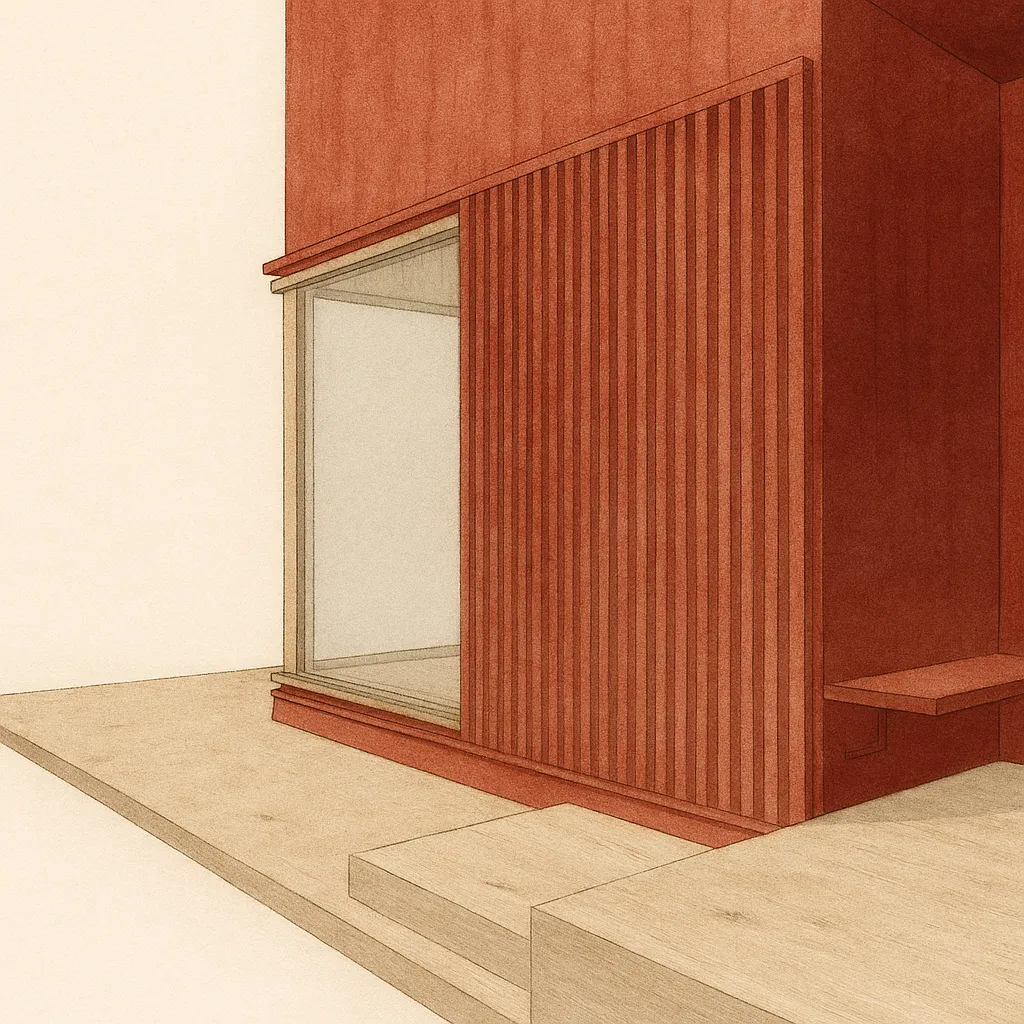
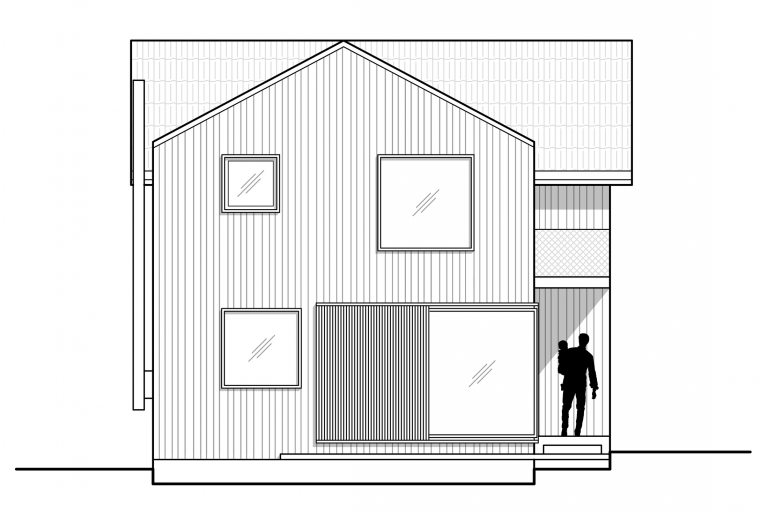
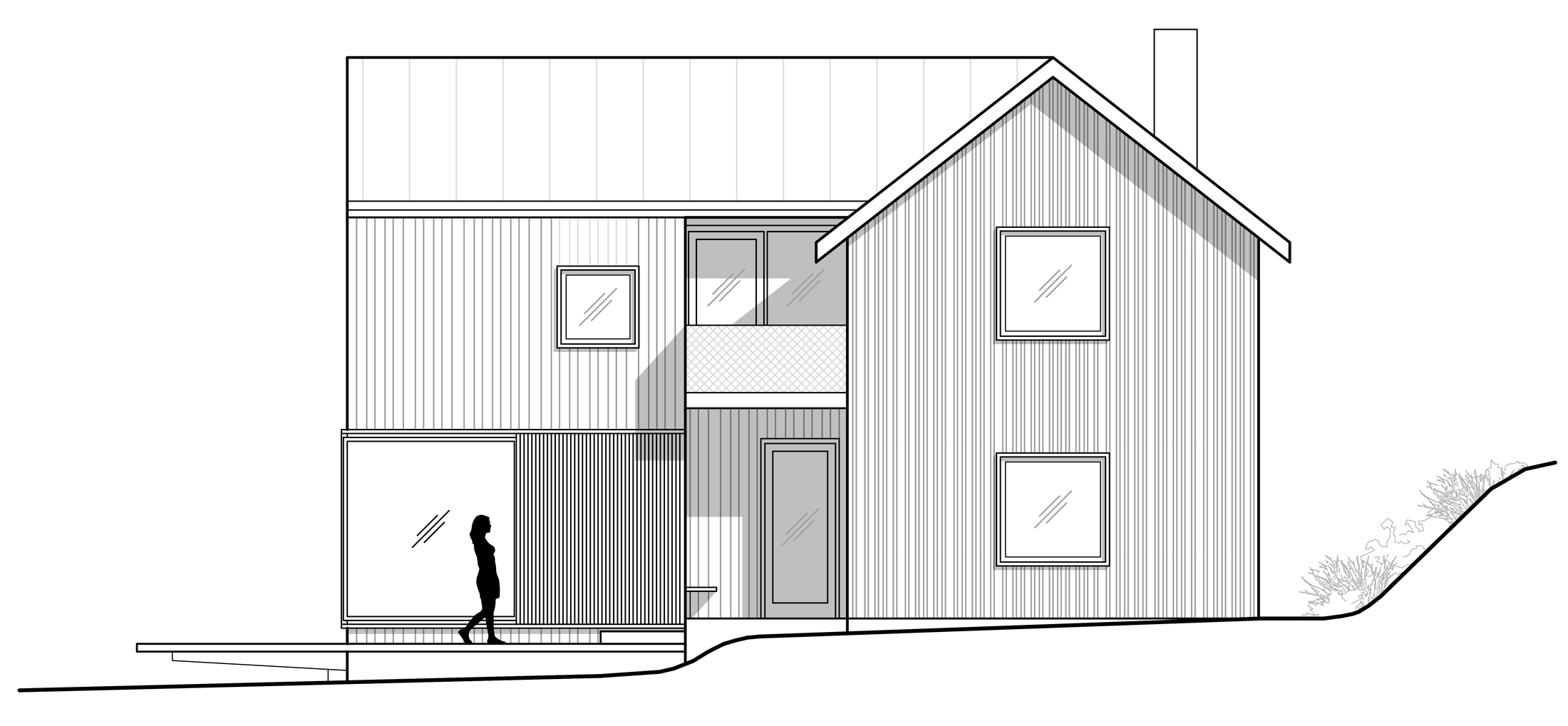
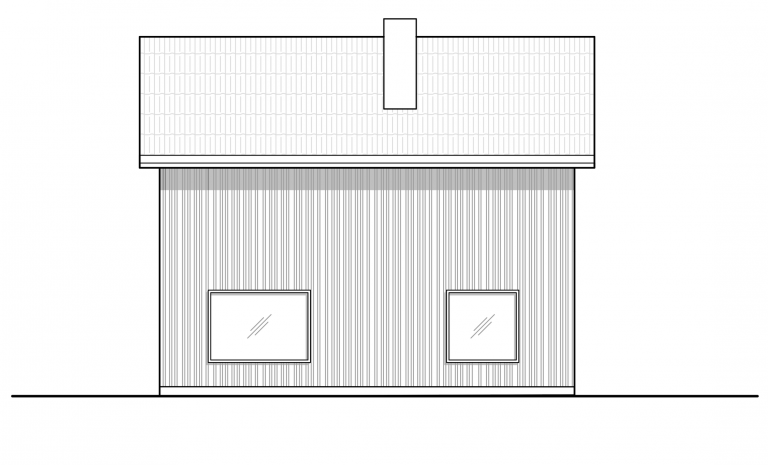
The traditional red timber façade is reintroduced as a natural part of the house’s identity, while new elements are expressed in a contemporary language. The ambition is not to blur the distinction between old and new, but to allow them to coexist in dialogue. The existing house retains its simplicity, while the extension introduces new spatial qualities, generous daylight, and a stronger relationship to the surrounding landscape.

An extension as a natural continuation
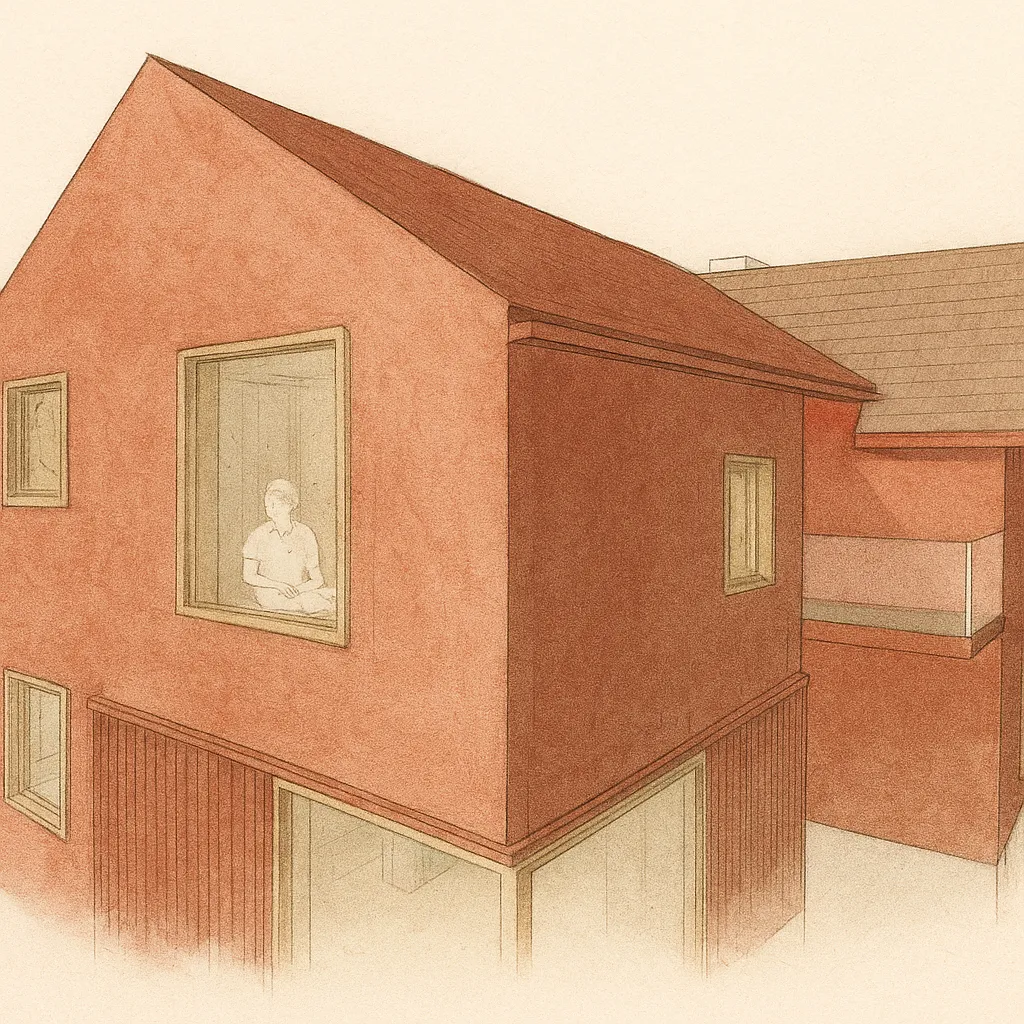
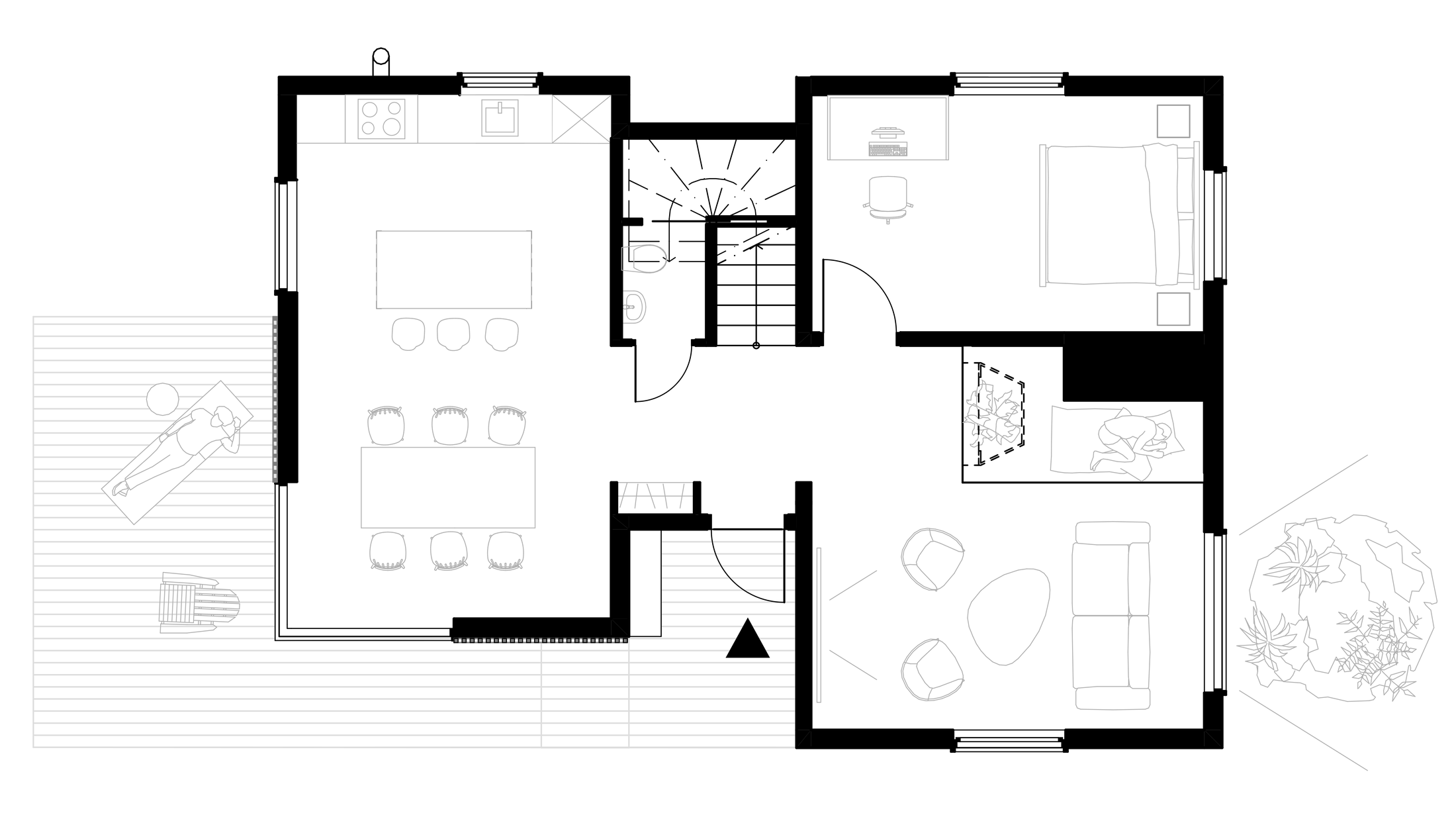
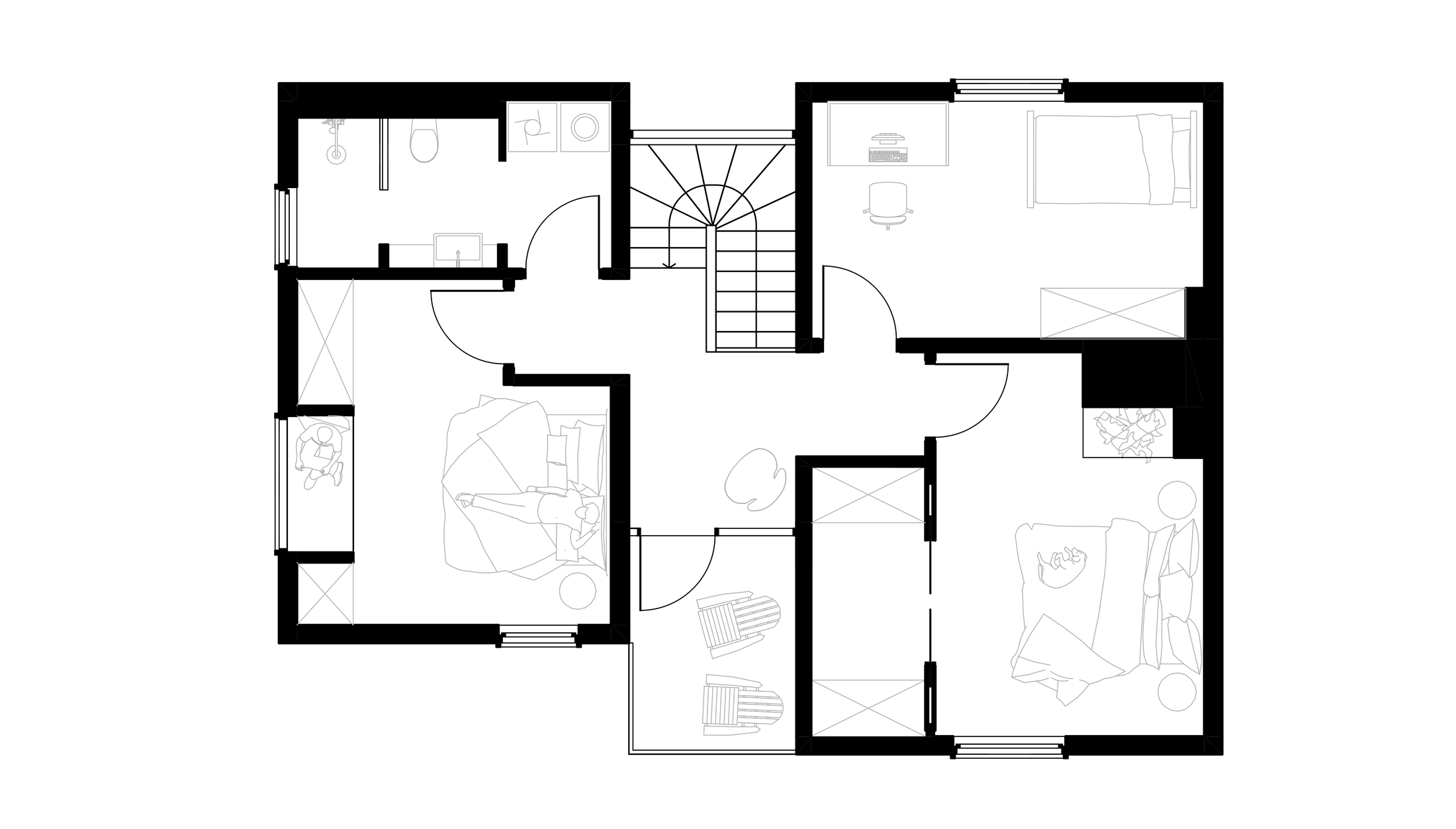
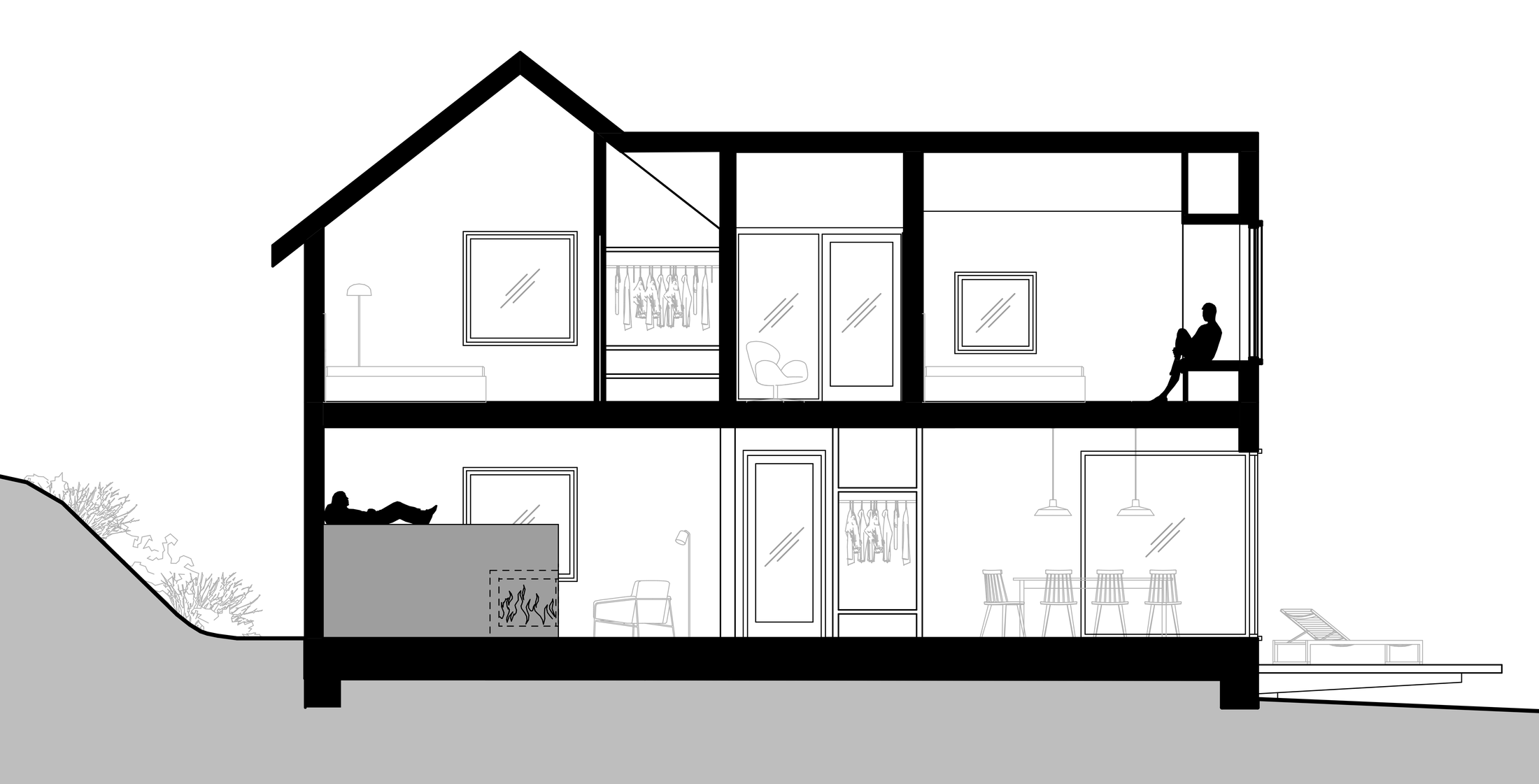
The extension nearly doubles the size of the house and forms the project’s defining gesture. Conceived as an independent volume, it connects naturally to the existing structure through its proportions, materials, and placement. Together, old and new form a cohesive whole that feels grounded in its setting and strengthens the relationship between architecture and nature.
Framed views and a shared centre
Generous window openings frame views toward forests, mountains, and the horizon, drawing the landscape deep into the interior. At the heart of the house, a large masonry stove with an open fireplace becomes a natural gathering point. Designed to retain heat over long periods, it creates warmth and atmosphere throughout the colder seasons.
Materials with warmth
The interior is shaped by natural and locally sourced materials. Timber in varying tones, Swedish granite, brass details, and handcrafted tiles create a warm and tactile environment. Carefully considered detailing and a high level of craftsmanship give the house a calm and timeless character, where rural simplicity and contemporary living come together naturally.
- June 01, 2026
Location
Dalarna | SE
Object Category
Renovation & Extension
Size
170m² GFA
Status
Ongoing
Client
Private
Credits
Jonas Renström
Emanuel Hoffmann